
Material Trends Redefining Luxury Interiors in 2025
In the world of luxury residential interiors, nothing stays the same for long. Yet, a focus on material choices that equally nurture wellbeing and sensuous aesthetic style has become a recurring movement.
High-end clients are increasingly seeking spaces that blend rich tactility with uplifting saturated hues, expressed in sustainable materials that create a direct connection to nature.
Luxury in 2025 is less about opulence and grandeur and more about intentionally combining material and design elements that support both body and mind. While this shift towards the multi-sensory, innately touchable qualities of luxurious natural materials might suggest a neutral colour palette, what we’ve noticed is a movement toward embracing jewel-like tones.
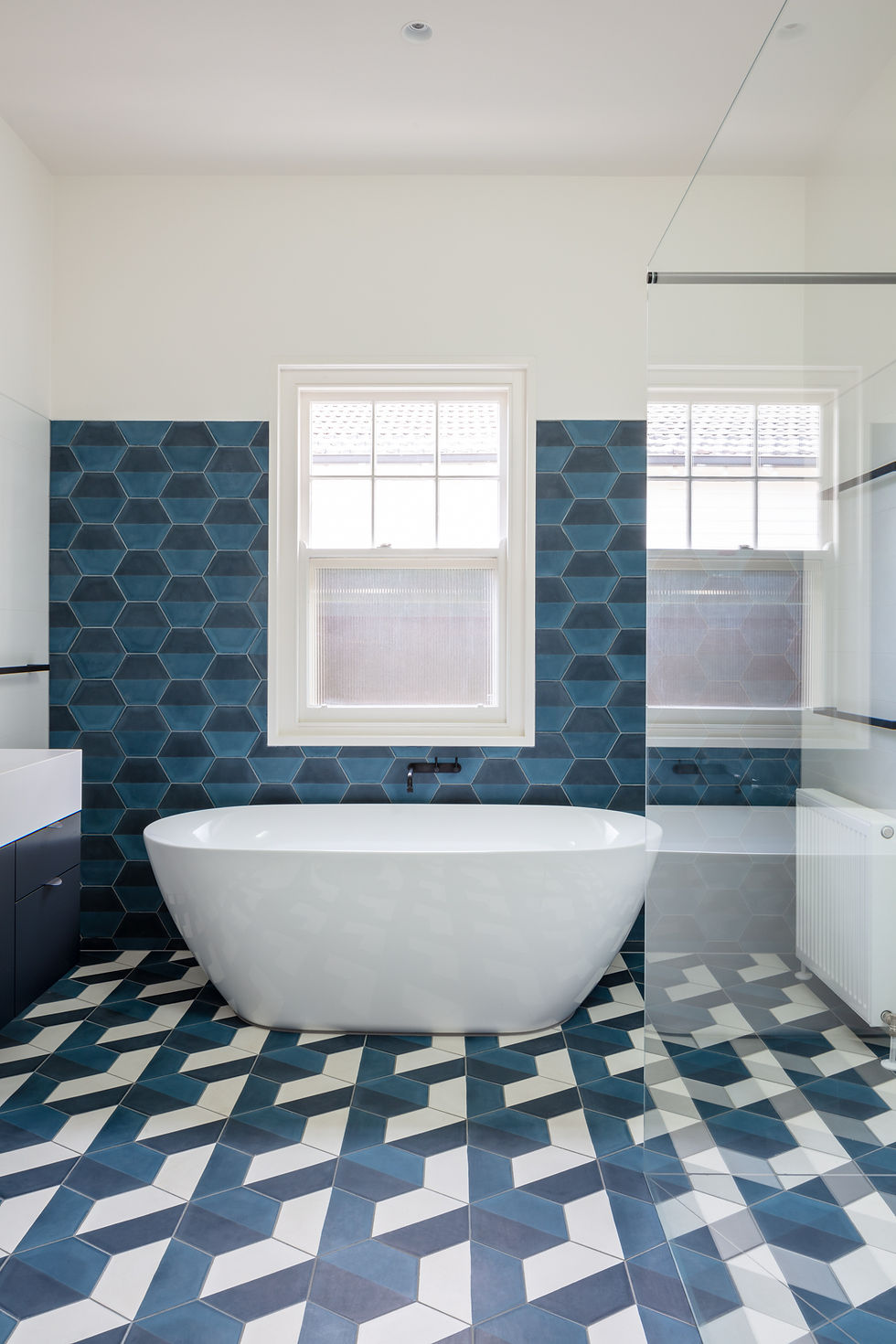
Verdant emerald shades, sapphires that evoke old-world European sophistication, and deep, velvety shades of red wine bring vibrancy and personalised character. Native timbers like spotted gum, natural local stone like Hawkesbury sandstone or Tasmanian slate, and remanufactured or bio-based materials demonstrate that sustainability is no longer isolated to a small sector of environmentally conscious individuals. In fact, sustainability that goes hand in hand with natural materials and inspiring colours has become synonymous with luxury.
Materials shaping 2025's refined interiors recognise the home as a sanctuary for wellbeing. Every surface, from stone's grounding solidity to organic textiles' warmth, is chosen for its impact on how we feel, move, and dwell.
When Touch Transforms Space
A profound shift in 2025 has been recognising that our homes must engage every sense, not just sight. After incorporating visually driven designs, there is a renewed appreciation for tactile surfaces that invite touch to enhance feelings of belonging and well-being.
This design approach weaves together texture, scent, sound and light to create environments that invite a deeper connection to both self and home. For instance, in bringing together the timeless beauty of stone and brass with natural textile fibres, all of which improve as they develop the patina of time, interior spaces are transformed from looking perfectly designed to feeling harmonious and easeful. Upholstered walls and furnishings in velvet, leather, or suede used thoughtfully can create a narrative of warmth and intimacy while lending tactile richness to each space.

The Marble Renaissance
Marble has been used to reflect the qualities of permanence, strength and refined elegance for centuries. In 2025 and beyond, we don’t see this changing. In fact, as the world grows increasingly digital and fleeting, we expect the enduring appeal of marble only to strengthen.
Echoes of Art Deco and Antiquity appear in this storied stone, bridging historical symbolism and craftsmanship with modern refinement. However, there is nothing clichéd about our approach to incorporating marble into contemporary, design-led luxury interior spaces.
Regardless of the overall design vision, we embrace the natural variation in marble, celebrating the unique character of every piece.

Whether it's a dramatic feature wall in a kitchen or bathroom, or bespoke joinery crafted to perfection, the goal is always to honour the origins of this multifaceted material while anchoring a home in the contemporary luxury style of today.
The allure of marble is also tied to our innately human desire to touch and feel and be connected to elements of nature. It works on our psychology as much as our taste. Cool to the touch, it offers a sense of grounding, while its enduring beauty evokes feelings of solidity that you expect from high-end spaces designed and built to last, as well as making a confident statement of style.
Timber's New Chapter

Timber, once the emblem of mid-century modernism against industrial austerity, finds new expression and relevance in today’s fast-paced lifestyle. Spaces come alive with depth and authenticity through curated combinations of wood species and finishes. Walnut hints at sophistication. Native Tasmanian blackwood transports us to a hinterland escape. Whether new, sustainably farmed or reclaimed timber is used, each length is valuable for the beauty of its organic, perfectly imperfect grain.
Looking ahead, we foresee utilising multiple species within a single project to create interiors that feel curated rather than coordinated. A dining table in walnut paired with cabinetry in oak, punctuated by Tasmanian blackwood.
We think of this mixology as an interior design direction that allows the past, present and future to come together to create memorable spaces that look as good as they make you feel.

Sustainable Luxury, Where Ethics Meet Aesthetics
One of the most meaningful developments in 2025 is the merging of sustainability and sophistication. Innovative and technologically advanced bio-materials have certainly come into their own in recent years, and we don’t expect this movement to lose traction amongst clients who are looking for their home to be and do so much more than be purely functional.
Mycelium-based fabrics and panels grown from plant roots now sit comfortably alongside luxurious French linen and the highest quality wool, marble and timber finishes. This proves that environmental awareness heightens luxury, especially when considered as part of a holistic design scheme that seeks to tread lightly on the planet while supporting the physical, mental and emotional health and wellbeing of those who live and work in the space.
A Revival of Classic Materials
Cork, a distinct feature of the 70s and 80s interior, has been experiencing a comeback recently. Not only does it add depth and intrigue while retaining clean contemporary lines, but it’s also an environmentally conscious choice that perfectly complements luxury details such as brass and natural stone finishes. Its modern applications also offer notable acoustic qualities, making it a multi-functional material for living and entertaining zones, children's creative spaces, and wellness retreats or home gyms, where materials are often called on to be functional, sustainable, and hard-wearing at the same time as aesthetically inspired.
Reclaimed Materials as a New Symbol of Luxury
The rustic associations that once involved reclaimed materials and adaptive reuse have also been rejected. Conscious reusing and repurposing are now considered symbols of luxury rather than economy. This is especially true when it comes to integrating the original timber of a heritage home. There is something truly special about a one-hundred-year-old piece of wood, carefully restored and reinstated or incorporated into a new interior scheme. It carries a story of people and place, and has a romance that even the most exquisite new material could only dream of possessing.
The trend to blend sustainable, natural and organic materials into projects adds new layers to the choices available to designers and clients, enabling us to incorporate narrative and environmental significance into material selections. Bamboo, cork and hemp, for example, are chosen for their versatility, low impact and in the case of bamboo and hemp, their rapid regrowth, which allows for sustainable farming and harvesting practices.
The Metamorphosis of Metal
When it comes to quiet luxury, we’re seeing a subtle yet noticeable shift towards embracing living surfaces – those that evolve and undergo a transformation as they take on the patina of time.
Unlacquered brass, milled steel, and even corten steel, for instance, are being celebrated for their ability to retain their presence and precision of form while becoming a record of human touch and happy memories. Brass handles or copper taps, repeatedly touched, develop a look that is as unique as fingerprints. Steel kitchen benchtops absorb the highs and lows of family life. It’s these delicate, almost overlooked marks that transform a house into a home, and it’s heartening to see that ultra-perfectionism is giving way to a desire for interiors that speak of an aesthetic yet real-life experience.

Metal surfaces are also supremely functional. Capable of withstanding years of wear and tear, as well as being hygienic and easy to clean and maintain, we anticipate the move towards soft brutalism will continue to shape interior design directions from 2025 and for many years to come.
Textural Revolution

As we’re discovering, the 2025 material palette embraces imperfection, authenticity, and visual intrigue. It’s a celebration of sensory, unresolved qualities and a gentle nod towards the Japanese philosophy of Kintsugi, a practice where cracks and breaks are mended with gold in recognition of the fact that there is beauty and strength in acknowledging and celebrating flaws.
This ethos, together with the pristine surfaces of marble, or the gritty, earthy textural qualities of natural fibres, creates that all-important juxtaposition that separates decoration from award-worthy interior design.
When it comes to texture, walls and ceilings take centre stage. Wallpaper, timber panelling and decorative plaster accents transform flat surfaces into a focal point. These treatments ensure texture shifts with the light throughout the day, offering depth, movement and personality throughout a home's interior.

Soft natural fibres, such as jute, linen, and bouclé, contrasted with the strong architectural lines of marble or metal, create a counterpoint that makes a room feel balanced rather than contrived.
The naturally occurring irregularities of textiles become a feature to revel in, inviting touch and evoking a sense of comfort and ease. This may be because of the connection these materials have to a simpler time, when the handcrafted were part of our day-to-day. As our lives are increasingly automated, we seek comfort in craft traditions that also serve and enhance our modern way of life.
Colour as Material

While much is said of the materials we use to give physical shape and texture to a room, colour itself has become a vital element in most sophisticated interiors. One of the most prominent colours of 2025 so far has been a rich, burgundy red. With its deep, earthy richness, this opulent wine-like hue has asserted itself as the colour of the moment. And it’s not surprising given its sensual characteristics that exude luxury and desire while remaining understated.
With so many nuanced shades of red to choose from, too, there is absolutely a red to go with any and every other material. Alongside ruby-reds, we’re seeing a strong desire to incorporate other deep, highly saturated colours that lean towards earthy or jewel-like, such as forest green, cobalt blue, and fresh turmeric orange.
The Psychology and Power of Colour
In high-end interior design, the use of colour is informed by an understanding of colour psychology and the cultural and historical symbolism of each colour. A deep green marble kitchen island creates a completely different aura and sense of character than white Carrara marble. While both are stunning, the choice to use one over the other is an important decision.

Likewise, ebonised or blackened timber creates feelings of cocoon-like warmth and shelter compared to the feeling of openness and tranquility that comes from using natural oak.
Colour is therefore an essential tool that, when used well, can completely transform a space. Beyond trends, the true priority lies in creating a seamless design narrative—one that feels consistent, authentic, and deeply connected to both the home and the people who live in it.
The Future of Tactile Luxury

As we look towards the end of 2025 and the years ahead, it’s clear that the most compelling interiors treat materials as much more than decorative or functional elements. Indeed, materials have always formed the vocabulary of interior design. However, it’s only when materials in all their exciting, innovative, sustainable, colourful and luxurious forms are skillfully brought together and used well that a home becomes capable of influencing mood, behaviour, and enhancing well-being.
The notion of mixology – blending the old with the new and combining materials that are seemingly alien to one another – represents the future of luxury.
Under the expert guidance and honed eye of professional interior designers, materials and colour become greater than the sum of their parts to deliver sensory pleasure, environmental responsibility, and lasting beauty that strikes a balance between artistry and craft and contemporary innovation. Great design tells a story.
Ready to transform your home with thoughtful material selection? Contact us today to schedule a consultation and discover how our approach to material artistry and mixology can help you to create the luxurious and sustainable design-led home you’ve been longing for.


Comments